Small but Mighty: How Tullahoma's Independent Businesses Are Outplaying the Big Guys
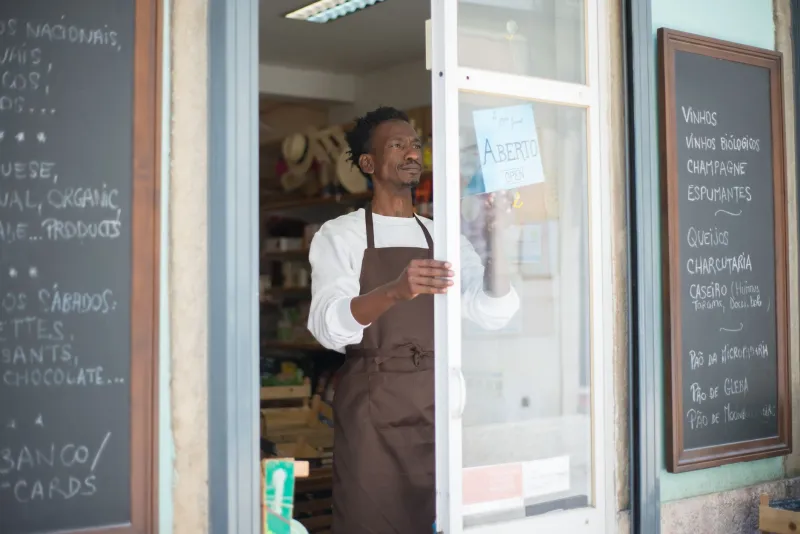
Walk through downtown Tullahoma on a Saturday morning and you'll notice something that's becoming increasingly rare in mid-sized American towns: a genuinely thriving independent business scene. Coffee shops with actual personalities. Boutiques where the owner knows your name. Hardware stores where the advice is free and actually good. Meanwhile, the national chains — those familiar logos promising consistency and convenience — sit a few miles away doing their thing.
So what gives? How are Tullahoma's homegrown businesses not just surviving but, in many cases, genuinely winning?
The answer isn't one thing. It's a combination of strategy, stubbornness, and a community that's quietly decided where it wants its dollars to land.
The Numbers Behind the Loyalty
It's easy to romanticize buying local. Harder to explain why it actually makes economic sense for the businesses doing it. But talk to owners around town and a consistent picture starts to emerge.
When customers spend money at a locally owned Tullahoma business, a significantly larger share of that money stays in the local economy compared to what gets funneled back to a corporate headquarters in another state. That's not just a feel-good talking point — it means more tax revenue for city services, more jobs that pay local wages, and more money circulating between neighbors.
For business owners, that story is a genuine selling point, and the smart ones have learned to tell it plainly. "People here understand what it means when they choose us over the alternative," said one shop owner on Jackson Street who asked not to be named because she doesn't want to come across as preachy about it. "We don't have to guilt anyone. They just get it."
What Chains Can't Copy
National franchises have real advantages. Nobody's pretending otherwise. They've got centralized purchasing power, national marketing budgets, and brand recognition that takes decades to build. A new location opens and people already know what they're getting.
But that predictability is also a ceiling. A chain location in Tullahoma is, at the end of the day, the same as one in Chattanooga or Columbus or Phoenix. The experience is engineered for consistency, not connection.
Local businesses can do something chains fundamentally cannot: they can be of the place they're in. A locally owned restaurant can put Tennessee-sourced ingredients on the menu and tell you exactly where they came from. A local boutique can stock inventory based on what Tullahoma women actually want to wear, not what a regional buyer in Nashville decided was trending. A neighborhood hardware store can give you advice that accounts for the specific quirks of building in middle Tennessee's climate.
That specificity is a competitive moat that no amount of corporate marketing spend can replicate.
The Trust Factor
There's another layer to this that doesn't show up on any spreadsheet: trust.
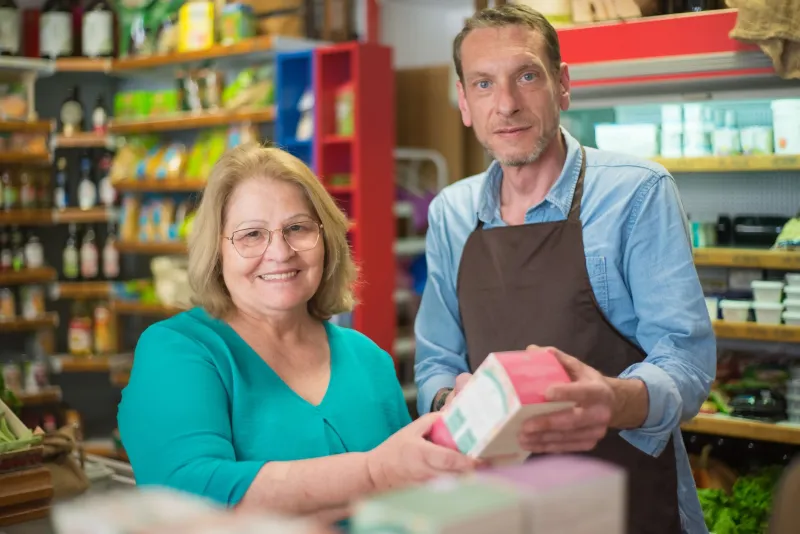
In a town like Tullahoma, business owners are also neighbors, school board members, coaches, and church members. Their reputations are tied up in their businesses in a way that's simply not true for a shift manager at a franchise location who might be gone in six months.
"I've lived here my whole life," said the owner of a local specialty food shop who's been in business for over a decade. "If I sell you something that doesn't work or treat you badly, I'm going to see you at the grocery store. That accountability is real. And honestly, it makes me better at what I do."
Customers feel that. There's a reason people will drive past a chain to get to a local spot — it's not just habit or sentiment. It's a transaction that feels fundamentally different because the human being behind the counter actually has skin in the game.
How They're Getting Strategic
Being beloved isn't a business plan. The local businesses that are genuinely competing — not just surviving — have gotten smarter about the operational side of things, too.
Several owners pointed to the informal networks that have developed among Tullahoma's independent business community. They share vendors, refer customers to each other, and occasionally pool resources for joint promotions. It's not a formal chamber initiative — it's just people who understand that a rising tide lifts all boats.
Social media has also become a genuine equalizer. A local boutique with a strong Instagram presence and an engaged following can generate buzz in a way that competes meaningfully with a chain's paid advertising. The content is more authentic, the community engagement is real, and the algorithm tends to reward that kind of genuine interaction.
And then there's flexibility. When supply chain issues hit, local businesses adapted faster. When customer preferences shifted, they pivoted without needing approval from a regional director. That agility is worth something, especially in unpredictable economic stretches.
The Challenges Are Real, Too
None of this is to suggest it's easy. It isn't.
Health insurance for small teams is expensive. Competing on price alone against a national chain with massive purchasing leverage is nearly impossible. Finding and keeping good employees when larger employers can offer better benefits is a persistent headache. And the administrative burden of running an independent business — accounting, compliance, HR, marketing — falls on owners who are also trying to, you know, actually run the business.
"There are weeks where I wonder why I'm doing this," admitted one downtown retailer. "And then a customer comes in and tells me they drove from Shelbyville because they couldn't find what they needed anywhere else. And I remember."
That emotional fuel matters. But so does the community's willingness to show up in practical ways — choosing local when it's a little less convenient, leaving reviews, telling friends. The relationship between Tullahoma's independent businesses and its residents is genuinely reciprocal in a way you don't see everywhere.
What It Means for Tullahoma's Future
Cities that lose their independent business base don't get it back easily. Once a downtown hollows out, the social fabric that supported those businesses — the foot traffic, the casual community interaction, the sense of place — tends to go with it.
Tullahoma seems to understand that. The fact that local businesses are competing and winning here isn't an accident. It's the result of owners who figured out their actual advantages, customers who vote with their wallets, and a community culture that values the texture of a locally shaped economy over the convenience of sameness.
The national chains aren't going anywhere. But in Tullahoma, they're not the whole story — and that's worth paying attention to.