Rooted and Recharged: How Living in Tullahoma Beats the Burnout No App Can Fix
Somewhere between your third Zoom call of the morning and your fourteenth Slack notification before lunch, you might start wondering if there's a better way to live. For a growing number of people, the answer has a zip code: 37388.
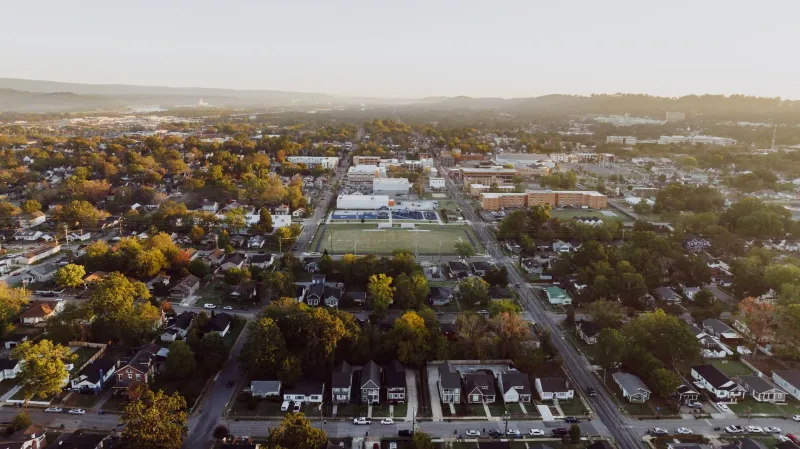
Tullahoma isn't trying to compete with Nashville's energy or Chattanooga's scenic cool-factor marketing. It doesn't have to. What it offers instead is something that's become genuinely hard to find — a community where people actually know each other, show up for each other, and build relationships that don't require a Wi-Fi password.
The Screen Fatigue Nobody's Talking About
Researchers at the American Psychological Association have been tracking what they call "technoference" — the way digital interruptions erode the quality of face-to-face interaction — for over a decade now. The data isn't pretty. Social isolation has climbed steadily even as connectivity has expanded, and the irony isn't lost on anyone who's sat in a coffee shop surrounded by people staring at their phones.
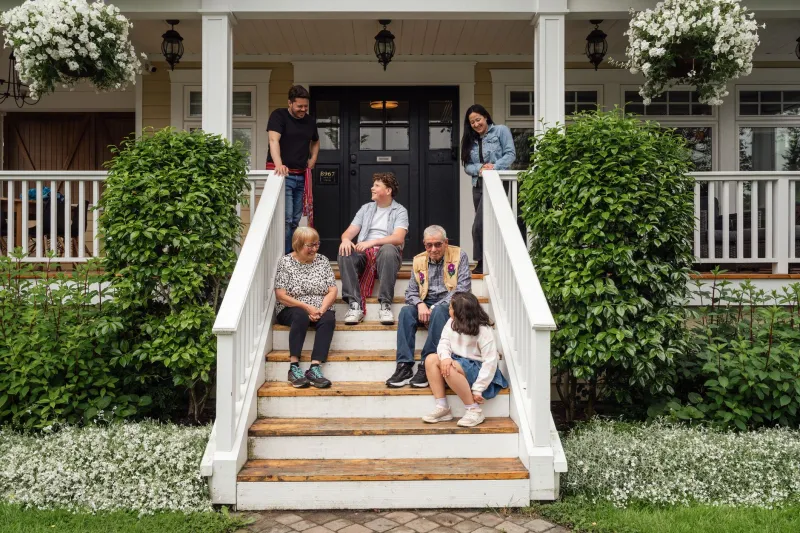
But here's the thing: the antidote isn't a digital detox app or a mindfulness subscription. It's a front porch. It's a neighbor who waves. It's a town where running into your kid's teacher at the hardware store isn't awkward — it's just Tuesday.
Tullahoma has all of that in abundance, and more people are starting to notice.
What Residents Are Actually Saying
Ashley Merritt moved to Tullahoma three years ago after nearly a decade in Atlanta. She worked in digital marketing — still does, remotely — but the constant low-grade anxiety of big-city life had worn her down in ways she didn't fully recognize until she left.
"I thought I was just tired," she says. "But when I got here and started actually talking to my neighbors, going to the farmers market, running into the same people at church and the grocery store, I realized I hadn't felt that kind of ease in years. It wasn't a vacation feeling. It was just... normal life. And it was so much better."
That sentiment comes up again and again when you talk to Tullahoma transplants. The word "ease" surfaces constantly. Not laziness — plenty of people here work demanding jobs, run businesses, raise kids, and stay plenty busy. But there's a friction that's simply absent. The social friction of anonymity, of competition, of performing for an audience you'll never actually know.
Community Belonging Has Real, Measurable Value
This isn't just feel-good talk. A 2023 report from Gallup found that people who feel a strong sense of local community belonging report significantly higher wellbeing scores across physical health, emotional resilience, and even workplace productivity. Smaller towns, particularly those with stable economies and active civic life, consistently outperform larger metros on belonging metrics.
Tullahoma checks those boxes. The town has an active parks system, a thriving arts scene that punches well above its weight, a genuinely engaged local government, and a business community that knows its neighbors by name. The Coffee County Arts Alliance, local festivals, the Tullahoma Fine Arts Center — these aren't just nice amenities. They're the social infrastructure that turns a place to live into a place that lives.
The Professional Angle Nobody Expected
Here's where it gets interesting for the career-minded crowd. In a remote-first economy, your physical location is less relevant to your output than ever. But it's increasingly relevant to your wellbeing, your network quality, and your long-term sustainability as a professional.
People who work remotely from Tullahoma consistently report something their big-city counterparts don't: they actually know their neighbors. And those neighbors — engineers at AEDC, business owners on North Jackson, healthcare professionals, educators — are often surprisingly well-connected people with real influence in their fields.
The informal network here is tight in the best possible way. You're not cold-emailing strangers on LinkedIn. You're having a real conversation at a local event, building actual trust, and finding that professional opportunities emerge naturally from genuine relationships. That's not a small thing. In a world drowning in transactional digital noise, it's actually kind of revolutionary.
The Tullahoma Trade-Off (And Why It's Not Much of One)
People sometimes assume that choosing a smaller town means giving something up. And sure, Tullahoma doesn't have a dozen rooftop bars or a major league sports franchise. But the trade-off math looks pretty different when you actually run the numbers — and when you factor in what you're gaining rather than just what you're leaving behind.
You're gaining time. You're gaining mental space. You're gaining the kind of relationships that don't expire when a project ends or a company restructures. You're gaining a sense of place — a feeling that where you are actually matters, and that you matter to it.
In a digital world that's very good at making people feel simultaneously hyper-connected and profoundly alone, that's not a small-town consolation prize. That's the whole point.
Tullahoma figured it out a while ago. The rest of the world is just starting to catch up.