Gone for a While, Home for Good: The Quiet Pull That Keeps Bringing Tullahoma's Own Back
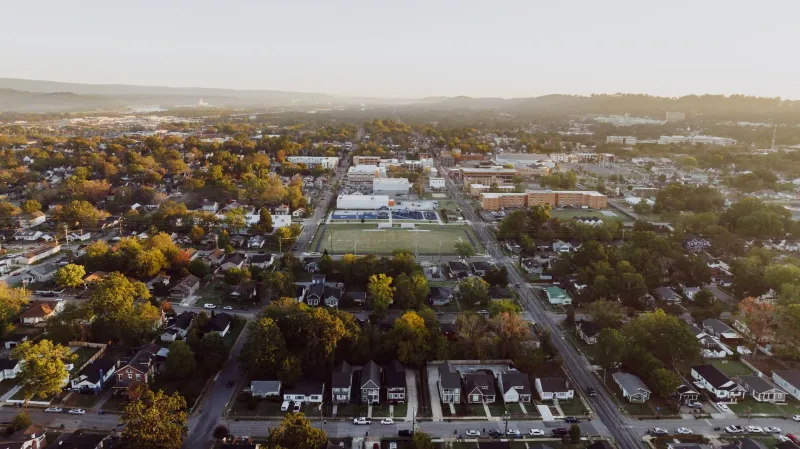
There's a pattern that locals have noticed for years, even if nobody's put a formal name to it. Someone grows up in Tullahoma, graduates, and heads off to a bigger city chasing opportunity, excitement, or just the feeling that something bigger is out there waiting. Then, usually somewhere between two and seven years later, they're back. Sometimes they come with a spouse. Sometimes with a kid or two in tow. Almost always, they come with a clearer sense of what they actually want out of life.
Call it the Tullahoma return. It's more common than you might think, and the reasons behind it are worth understanding — especially if you're one of the people who left, or someone trying to figure out whether this town has what it takes to hold onto its next generation.
The Pull of the Bigger City — and What It Actually Delivers
Let's be honest: leaving makes sense on paper. Larger metros offer higher starting salaries, more career options, a wider social scene, and the kind of anonymity that feels liberating when you're in your mid-twenties. Nobody's knocking that. Most people who left Tullahoma will tell you they don't regret going.
But there's a gap between what big-city life promises and what it tends to deliver after the novelty wears off. The commutes get old. The cost of a decent apartment starts to feel absurd. Friendships are harder to maintain when everyone's overscheduled and exhausted. And somewhere around year three, a lot of people start doing math they never expected to do — weighing what they're earning against what they're actually keeping, and what they're spending their time on versus what they're getting out of it.
That's usually when Tullahoma starts looking different.
"I Didn't Realize What I Had"
Talk to enough people who've made the return trip and you'll hear a version of that sentence over and over. Not with embarrassment, but with the kind of clarity that only distance can provide.
Marcus, who spent four years working in logistics in Memphis before coming back to Tullahoma in his early thirties, puts it plainly: "I made more money there. But I was renting a place I couldn't really afford, eating out constantly because I was too tired to cook, and seeing my family maybe four times a year. When I sat down and actually looked at my life, I wasn't ahead — I was just busy."
He came back, found a position with a local manufacturing firm, bought a house, and hasn't looked back. "The pace here lets me actually live. I have a yard. I know my neighbors. I coach youth baseball on weekends. That stuff matters."
His story isn't unusual. What changes for most returnees isn't just the zip code — it's the framework they use to measure success.
What Tullahoma Has That's Hard to Name
Asking people what they missed about Tullahoma while they were away produces a surprisingly consistent list, even from people who grew up in different parts of town or left in different decades.
They miss the ease of it. Getting across town in ten minutes. Knowing the person behind the counter at the hardware store. Being able to show up somewhere and run into three people you know without even trying. These things sound small until you spend a few years in a city where you can go a whole week without a single meaningful interaction with another human being.
They miss the accountability, too — and that's a trickier thing to explain. In a town where people know you, your reputation actually means something. You do good work, people hear about it. You treat someone poorly, that gets around too. It sounds like pressure, but most returnees describe it as grounding. It gives daily life a kind of weight that anonymous city living rarely provides.
And they miss the landscape. The rolling hills, the proximity to the woods and water, the way the town feels genuinely settled into its surroundings rather than paved over them. Tullahoma isn't flashy, but it has a physical character that sticks with people.
The Town They Come Back To Isn't Quite the One They Left
One thing that surprises a lot of returnees is how much has changed. The Tullahoma they come home to has been quietly evolving — new restaurants and breweries filling out the dining scene, a growing base of remote workers and small business owners bringing fresh energy, updated amenities that didn't exist a decade ago. The bones of the place are the same, but there's new life in the building.
For people who left partly because they felt the town had a ceiling, this matters. Coming back doesn't feel like settling anymore. It feels like timing.
Several returnees have channeled that energy directly into the local economy. They've opened businesses, taken on leadership roles in civic organizations, and brought back skills and perspectives developed elsewhere. In a real sense, the people who leave and return are part of what keeps Tullahoma from standing still.
The Business Case for Coming Home
It's worth noting that the Tullahoma return isn't just a lifestyle story — it has real economic implications. When skilled, experienced workers come back to a smaller market, they bring leverage. They've often built professional networks, developed specialized knowledge, and gained confidence they didn't have when they left. That makes them valuable to local employers and potentially formidable as entrepreneurs.
The cost of living advantage that Tullahoma offers over major metros means that a modest salary here can support a quality of life that a significantly higher salary in Nashville or Atlanta might not. That math has always been true, but younger generations are doing it more deliberately than their predecessors did, especially as remote and hybrid work arrangements make location flexibility more realistic.
For Tullahoma's business community, this represents an ongoing opportunity. The talent is out there, gaining experience, and a meaningful portion of it is eventually going to want to come home. Building the kinds of jobs, workplaces, and professional environments that can absorb those returning residents — and make them want to stay — is one of the smarter long-term investments the local economy can make.
The Town That Gets Better With Distance
There's something almost counterintuitive about the way Tullahoma works on people. For some, it takes leaving to fully appreciate it. The friction of city life has a way of clarifying values — and when people figure out what they actually care about, a lot of them find that Tullahoma was offering it all along.
That's not a knock on ambition or on the people who left. It's a recognition that some things only come into focus when you've been far enough away to see them clearly.
If you're one of the ones who left, you probably already know what we're talking about. And if you're thinking about making the trip back, you're in good company. The door here tends to stay open.